
🎖️ Army Body Fat Calculator
Calculate your body fat percentage using official US Army standards
📊 Army Body Fat Standards
| Age Group | Male Maximum | Female Maximum |
|---|---|---|
| 17-20 years | 20% | 30% |
| 21-27 years | 22% | 32% |
| 28-39 years | 24% | 34% |
| 40+ years | 26% | 36% |
ℹ️ Important Information
Formula Used: This calculator uses the official US Army body fat calculation method based on circumference measurements.
Accuracy: Results are estimates based on standardized formulas. For official assessments, consult with military health professionals.
Measurements: Ensure measurements are taken consistently and accurately for best results.
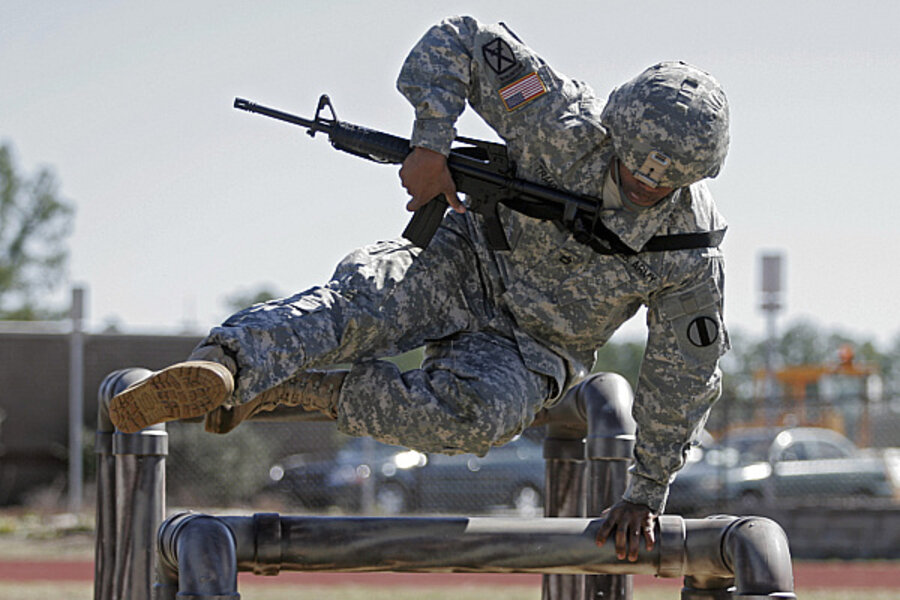
Army Resilience Body Fat Calculator: Your Complete Guide to Military Fitness Standards
The Army Body Fat Calculator serves as an essential tool for military personnel striving to maintain optimal physical readiness and meet stringent military standards. Understanding how to use this calculator effectively can make the difference between passing and failing critical fitness assessments that directly impact your military career.
What is the Army Resilience Body Fat Calculator?
The Army Body Fat Calculator is a specialized measurement tool designed to help soldiers determine their body fat percentage according to official military standards. This calculator uses the same methodology employed by the U.S. Army for official assessments, ensuring accuracy and reliability in your fitness planning.
Unlike standard civilian body fat calculators, this military-specific tool accounts for the unique physical demands and standards required of active-duty personnel. It provides precise measurements that align with Army regulations, making it an indispensable resource for career military professionals.
Why Body Fat Percentage Matters in Military Service
Military readiness depends heavily on maintaining optimal physical condition. The Army sets strict body fat limits because excess body fat can:
- Compromise physical performance during demanding missions
- Increase injury risk during training and combat situations
- Affect overall unit readiness and effectiveness
- Impact career advancement opportunities
- Lead to disciplinary action or separation from service
Understanding your body fat percentage through the Army Body Fat Calculator helps you maintain the high standards expected of military personnel while optimizing your health and performance.
How the Army Body Fat Calculator Works
The calculator employs the official Army method for body fat assessment, which involves taking specific body measurements and applying established formulas. Here’s the process:
For Male Service Members
The calculation requires measurements of:
- Neck circumference (at the narrowest point)
- Waist circumference (at the largest point)
- Height in inches
For Female Service Members
The calculation includes:
- Neck circumference
- Waist circumference
- Hip circumference (at the largest point)
- Height in inches
The Army Body Fat Calculator then applies the appropriate formula based on gender to determine your body fat percentage with military-grade accuracy.
Step-by-Step Guide to Using the Calculator
Preparation Phase
- Choose the right time: Take measurements at the same time of day for consistency
- Wear appropriate clothing: Use minimal, form-fitting clothing
- Gather proper tools: Use a flexible measuring tape for accurate readings
- Find assistance: Have someone help ensure proper tape placement
Taking Accurate Measurements
Neck Measurement:
- Measure at the narrowest point below the Adam’s apple
- Keep the tape snug but not tight
- Ensure the tape remains horizontal
Waist Measurement:
- Locate the largest part of your waist
- Typically at or just above the navel
- Maintain normal breathing during measurement
- Keep the tape parallel to the floor
Hip Measurement (Females):
- Find the largest part of your hips
- Usually at the widest point of your buttocks
- Ensure the tape encircles your body completely
Inputting Data
Enter your measurements into the Army Body Fat Calculator along with your height and gender. The calculator will instantly provide your body fat percentage according to Army standards.
Understanding Your Results
Army Body Fat calculator Standards
Male Standards:
- Ages 17-20: Maximum 20% body fat
- Ages 21-27: Maximum 22% body fat
- Ages 28-39: Maximum 24% body fat
- Ages 40+: Maximum 26% body fat
Female Standards:
- Ages 17-20: Maximum 30% body fat
- Ages 21-27: Maximum 32% body fat
- Ages 28-39: Maximum 34% body fat
- Ages 40+: Maximum 36% body fat
Interpreting Your Numbers
The Army Body Fat Calculator provides clear feedback on whether you meet current military standards. Results typically fall into these categories:
- Well Below Standard: You have significant room above the maximum limit
- Within Acceptable Range: You meet requirements but should monitor regularly
- Approaching Limit: You’re near the maximum and need focused attention
- Above Standard: Immediate action required to meet military requirements
Strategies for Improving Your Body Fat Percentage
Nutrition Optimization
- Focus on lean proteins to maintain muscle mass
- Incorporate complex carbohydrates for sustained energy
- Include healthy fats in appropriate portions
- Maintain consistent meal timing
- Stay properly hydrated throughout the day
Effective Training Approaches
- Combine cardiovascular exercise with strength training
- Implement high-intensity interval training (HIIT)
- Focus on compound movements that engage multiple muscle groups
- Maintain consistent workout schedules
- Allow adequate recovery time between sessions
Lifestyle Modifications
- Prioritize quality sleep (7-9 hours nightly)
- Manage stress through appropriate techniques
- Avoid excessive alcohol consumption
- Consider meal prep for better nutrition control
- Track progress regularly using the Army Resilience Body Fat Calculator
Common Mistakes to Avoid
Measurement Errors
- Taking measurements at different times of day
- Using inconsistent tape placement
- Holding breath during waist measurement
- Using a tape that’s too loose or too tight
- Failing to maintain proper posture
Calculation Mistakes
- Entering incorrect gender settings
- Using wrong measurement units
- Rounding numbers incorrectly
- Forgetting to account for age category
- Misreading measurement values
Advanced Tips for Military Professionals
Regular Monitoring
Use the Army Body Fat Calculator monthly to track trends and make necessary adjustments before official assessments. This proactive approach helps prevent last-minute surprises that could impact your military career.
Seasonal Considerations
Account for seasonal variations in body composition. Many service members experience fluctuations due to deployment schedules, training cycles, or environmental factors.
Integration with Other Fitness Metrics
While body fat percentage is crucial, combine this data with other fitness indicators like cardiovascular endurance, muscular strength, and flexibility for comprehensive fitness assessment.
Technology and Accuracy
The Army Body Fat Calculator uses validated formulas that have been refined over decades of military use. While no calculation method is perfect, this tool provides the same level of accuracy used in official military assessments.
For maximum precision, consider taking multiple measurements and using the average. This approach helps minimize human error and provides more reliable results for your fitness planning.
Maintaining Long-Term Success
Creating Sustainable Habits
Success with army body fat calculator management requires consistent, long-term commitment rather than short-term extreme measures. Focus on building habits that support your military career throughout its duration.
Professional Support
Consider working with military fitness specialists, nutritionists, or medical professionals when struggling to meet standards. These experts understand the unique demands of military service and can provide targeted guidance.
Community and Accountability
Engage with fellow service members who share similar fitness goals. This mutual support system can provide motivation, accountability, and shared knowledge for maintaining military fitness standards.
Army Body Fat Calculator: Your Complete Guide to Military Fitness Standards
Standing in front of that mirror after a weekend of less-than-stellar dietary choices? Yeah, we’ve all been there. But if you’re in the military—or aspiring to join—those moments carry extra weight, literally and figuratively. Understanding how the army body fat calculator works isn’t just about numbers on a screen; it’s about your career, your health, and sometimes your future in uniform.
The Real Deal About Military Body Composition
Let’s cut through the bureaucratic jargon and get to what really matters. The military doesn’t just care if you can run fast or do pushups—they want to know if you’re carrying around excess baggage that might slow you down when it counts. That’s where body fat calculations become more than just academic exercises.
The army height and weight calculator serves as your first checkpoint, but here’s the thing most people don’t realize: it’s designed to catch the obvious cases, not provide the whole picture. Think of it as a screening tool rather than the final verdict. If you fall within the army height and weight standards 2025, you’re golden. But if those numbers flash red? That’s when the real measuring begins.
Breaking Down the System: More Than Just Numbers
The Height-Weight Gateway
The army height and weight chart operates on straightforward principles that haven’t changed much over the decades. You step on a scale, someone measures your height, and boom—you’re either in compliance or heading for additional testing. But here’s where it gets interesting.
The sarmy height and weight table (yes, even with typos, soldiers search for this stuff) represents maximum allowable weights for each height category. It’s not about ideal weight or optimal health—it’s about maintaining standards across a diverse fighting force. A 6’2″ soldier can weigh significantly more than someone who’s 5’6″, but both need to meet their respective benchmarks.
When the Scale Isn’t Enough
Failed the initial weigh-in? Don’t panic just yet. This is where the army body fat calculator becomes your potential lifesaver. The military recognizes that muscle weighs more than fat, and some athletes might exceed weight standards while maintaining excellent body composition.
The body tape measurement process kicks in at this point. Using specific anatomical landmarks, trained personnel take circumference measurements that feed into standardized formulas. It’s not glamorous, but it’s science-based and surprisingly accurate when done correctly.
The ABCP: Your Roadmap Through the Process
The ABCP army program (Army Body Composition Program) isn’t just about punishment—though it sure can feel that way. Think of it as the military’s intervention system for helping soldiers get back on track. The program provides structure, resources, and most importantly, time to make necessary changes.
Here’s what most people miss: the ABCP isn’t automatic failure. It’s an opportunity. Soldiers who embrace the program often emerge stronger, healthier, and more disciplined than before. The key lies in understanding that it’s a process, not a punishment.
Documentation That Matters
The DA Form 5500 becomes your companion throughout this journey. This isn’t just paperwork—it’s your official record of progress, setbacks, and ultimate success or failure. Every measurement, every counseling session, every milestone gets recorded here.
Smart soldiers treat their DA 5500 like a roadmap. They track trends, identify patterns, and use the data to adjust their approach. The form isn’t just administrative burden; it’s actionable intelligence about your own body.
The Measurement Game: Getting It Right
The Art of the Tape
Anyone who’s been through military body fat testing knows that tape measure test results can vary depending on who’s doing the measuring. A millimeter here, a slight adjustment there—these tiny differences can mean the difference between passing and failing.
The neck tape measurement often surprises people. Your neck circumference directly impacts your body fat calculation, which is why some soldiers focus on neck-strengthening exercises. It sounds silly until you realize that reducing your neck measurement by half an inch could drop your body fat percentage by a full point.
Understanding Your Numbers
The 28 inch waist might sound arbitrary, but it represents real health implications. Abdominal fat carries higher health risks than fat stored elsewhere, which is why waist measurements feature so prominently in military calculations.
For context, the average male arm size is about 13 inches, while waist measurements vary dramatically based on height and body type. The military’s formulas account for these relationships, creating personalized standards rather than one-size-fits-all requirements.
Beyond Basic Compliance: The Fitness Ecosystem
ACFT Integration
The ACFT calculator and Army body fat calculator testing represent the military’s evolution toward functional fitness. Unlike the old PT test, the Army Combat Fitness Test measures your ability to perform job-related tasks under stress.
Your ACFT scores directly relate to your body composition. Excess body fat doesn’t just affect your appearance—it impacts your deadlift, your sprint time, and your ability to carry a fellow soldier to safety. The ACFT score chart 2025 reflects these real-world connections.
The DTMS Connection
The army DTMS system (Digital Training Management System) tracks everything from your test scores to your training participation. Smart soldiers use DTMS army data to identify trends and plan their fitness improvements strategically.
Real-World Applications and Success Stories
The Transformation Mindset
I’ve seen soldiers transform their entire careers through strategic body composition management. One sergeant I knew used his ABCP time to completely restructure his relationship with food and exercise. He didn’t just meet standards—he exceeded them and became a fitness leader in his unit.
The fat camp for adults mentality doesn’t work in military settings. Success comes from sustainable lifestyle changes, not crash diets or extreme measures. The soldiers who thrive are those who treat their body composition journey as a long-term project.
Technology as an Ally
Modern tools like the BOD pod and InBody scale provide incredibly accurate body composition analysis. While the military still relies on tape measurements for official purposes, these advanced tools help you understand what’s really happening inside your body.
If there’s a BOD pod near me, consider getting tested periodically. The data helps you separate muscle gains from fat losses, providing insights that simple weight measurements can’t offer.
Comparative Standards: Army vs. Other Services
Navy Differences
The navy PRT calculator operates on similar principles but with different standards. Navy PRT standards tend to be slightly more lenient in some categories but stricter in others. Understanding these differences helps if you’re considering inter-service transfers.
The navy PRT requirement system uses different measurement techniques, particularly for female service members. These variations reflect each service’s specific mission requirements and historical development.
Air Force Approach
The Air Force PT score chart emphasizes different fitness components, with their own body composition standards. The AF PT score chart reflects the Air Force’s focus on overall fitness rather than just body fat percentages.
Advanced Calculation Methods
Understanding Percentages
How to calculate percent composition goes beyond simple division. Military formulas account for gender differences, age factors, and body geometry variations. How to do percent composition calculations correctly requires understanding these underlying principles.
The math might seem complex, but the concepts are straightforward. Your body is composed of different tissue types, each with different densities and characteristics. Military calculations estimate fat percentage based on easily measurable external dimensions.
Age and Gender Factors
The cut off age for army enlistment reflects both physical and administrative considerations. As we age, our bodies naturally change, which is why military standards include age-adjusted categories for both fitness and body composition.
Practical Implementation Tips
Daily Habits That Matter
Success in military body composition management comes from consistency in small things. That 26 inch waist doesn’t happen overnight—it’s the result of daily choices compounded over time.
Focus on sustainable changes rather than dramatic interventions. The soldiers who maintain their standards year after year are those who’ve integrated fitness and nutrition into their lifestyle rather than treating them as temporary projects.
Using Technology Wisely
While official testing still relies on traditional methods, personal monitoring benefits from modern technology. Body fat measurement near me services can provide baseline data and track your progress between official tests.
The tape measure chart might seem old-school, but it’s still one of the most practical tools for self-monitoring. Regular self-measurements help you catch trends before they become problems.
Common Pitfalls and How to Avoid Them
The Quick Fix Trap
Military body composition isn’t about finding shortcuts or gaming the system. The AFT calculator and similar tools provide estimates, but your actual performance and health matter more than any single number.
Avoid the temptation to focus solely on making measurements rather than improving overall fitness. Sustainable success comes from genuine health improvements, not temporary manipulations.
Regulatory Updates
Army height and weight regulation changes periodically, as do AFT standards and other military fitness requirements. Stay informed about updates through official channels rather than relying on outdated information or rumors.
The AR 600-9 regulation contains the official guidance, but implementation details can vary between units and commands. Work with your leadership to understand how standards apply in your specific situation.
Looking Forward: Future Trends
Evolving Standards
Army fitness test AFT requirements continue evolving as military leaders recognize the limitations of traditional approaches. Future standards will likely incorporate more comprehensive health metrics beyond simple height, weight, and tape measurements.
The ACFT regulation represents this evolution, emphasizing functional fitness over arbitrary measurements. This trend will likely continue as the military adapts to changing mission requirements and scientific understanding.
Technology Integration
Future military fitness assessment will probably incorporate advanced body composition analysis, continuous monitoring, and personalized standards based on individual characteristics and job requirements.
Making It Work: Your Personal Strategy
Success with military body composition standards requires treating them as part of your overall professional development rather than just another requirement to check off. The soldiers who excel are those who understand that fitness and health directly impact their military effectiveness and career longevity.
Whether you’re dealing with military weight requirements for the first time or working to maintain standards throughout your career, remember that these systems exist to enhance military readiness. They’re not arbitrary obstacles—they’re tools designed to ensure that every soldier can perform their mission effectively.
Your body composition journey is uniquely yours, but you’re not alone in facing these challenges. Every successful soldier has navigated similar paths, and the resources exist to help you succeed. The key lies in approaching the process with the same dedication and strategic thinking you apply to other aspects of your military service.
The Army Body Fat Calculator will continue evolving, technology will advance, and measurement techniques will improve. But the fundamental principle remains constant: military service demands physical readiness, and body composition plays a crucial role in achieving and maintaining that readiness throughout your career.